
One of many causes plastic has develop into so ubiquitous is that, usually, it’s very chemically secure, that means it doesn’t readily react with the substances round it. That’s why this materials is so usually used for meals packaging and water bottles.
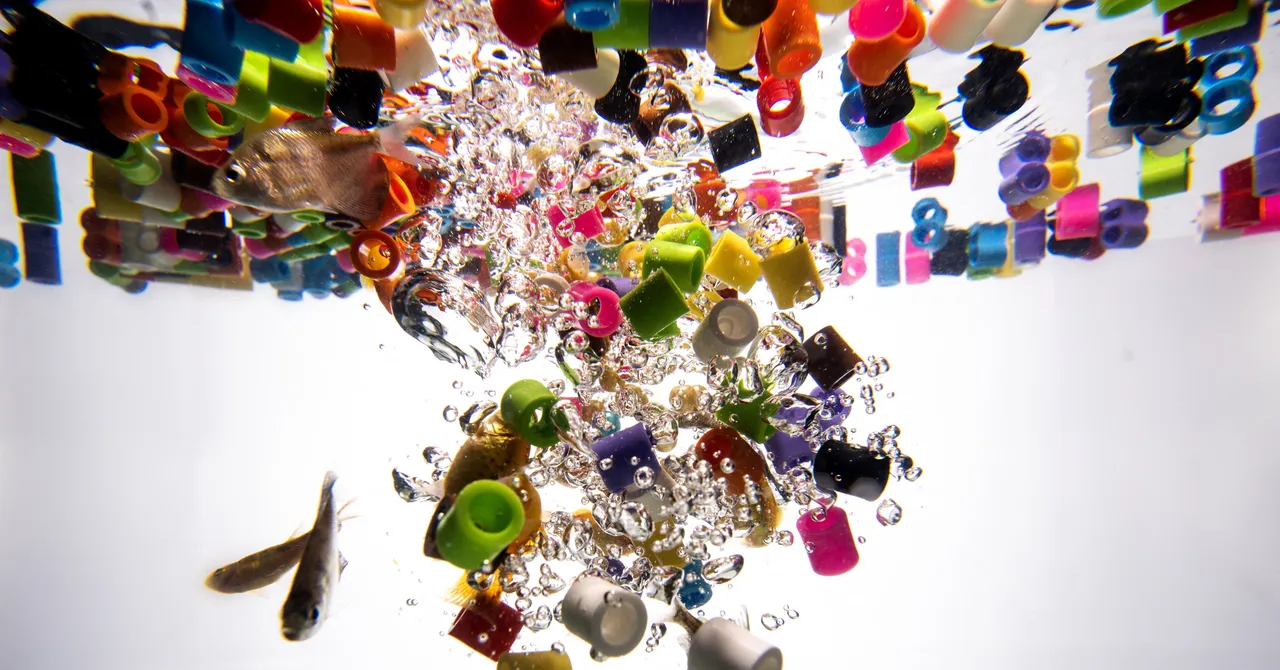
The identical was considered true of microplastics—these tiny items of particles that break off from bigger plastic objects and which, based on quite a few research, have unfold to nearly every ecosystem on the planet. However scientists at Columbia College and UC Berkeley have simply found that water could make the surfaces of microplastics chemically energetic and switch them right into a potential hazard.
Based on the findings of the article printed in Nature, this exercise can set off the spontaneous formation of chemical compounds able to altering different molecules, like these which are important for living organisms. The phenomenon, the authors word, happens even beneath regular environmental circumstances, with out the necessity for daylight or different brokers that trigger plastic degradation.
So how can microplastics be so reactive when greater plastics usually aren’t? The scientists recommend this has to do with the larger obtainable floor space for these reactions to happen.
“As plastic fragments into smaller and smaller particles, its floor space will increase enormously,” Wei Min, a professor of chemistry and biomedical engineering at Columbia College, stated in a press release. “Then microplastics change the water that surrounds them, producing high-energy, reactive radicals that very seemingly contribute to organic injury that we see in animals and probably in people on account of microplastic publicity.”
Amongst these probably harmful chemical merchandise—referred to as reactive oxygen species—a range referred to as hydroxyl radicals stands out. They’re significantly harmful as a result of they’ll snatch electrons from the proteins and fat that make up cell membranes, disrupting their construction and performance. These “are textbook examples of the sorts of molecules that may injury animal and human tissue,” added Naixin Qian, a postdoctoral researcher in Min’s lab who helped lead the analysis.
Our physique has some defenses towards this sort of injury. That is the organic perform of the buzzy molecules referred to as antioxidants. These neutralize the reactive chemical compounds, but when the reactive compounds enormously outnumber antioxidants, this line of protection could be overwhelmed.
This may develop right into a situation referred to as oxidative stress, resulting in the injury of cells. Earlier analysis had already recognized oxidative stress among the many mobile responses related to publicity to microplastics, though the mechanisms accountable for this injury should not but absolutely understood.