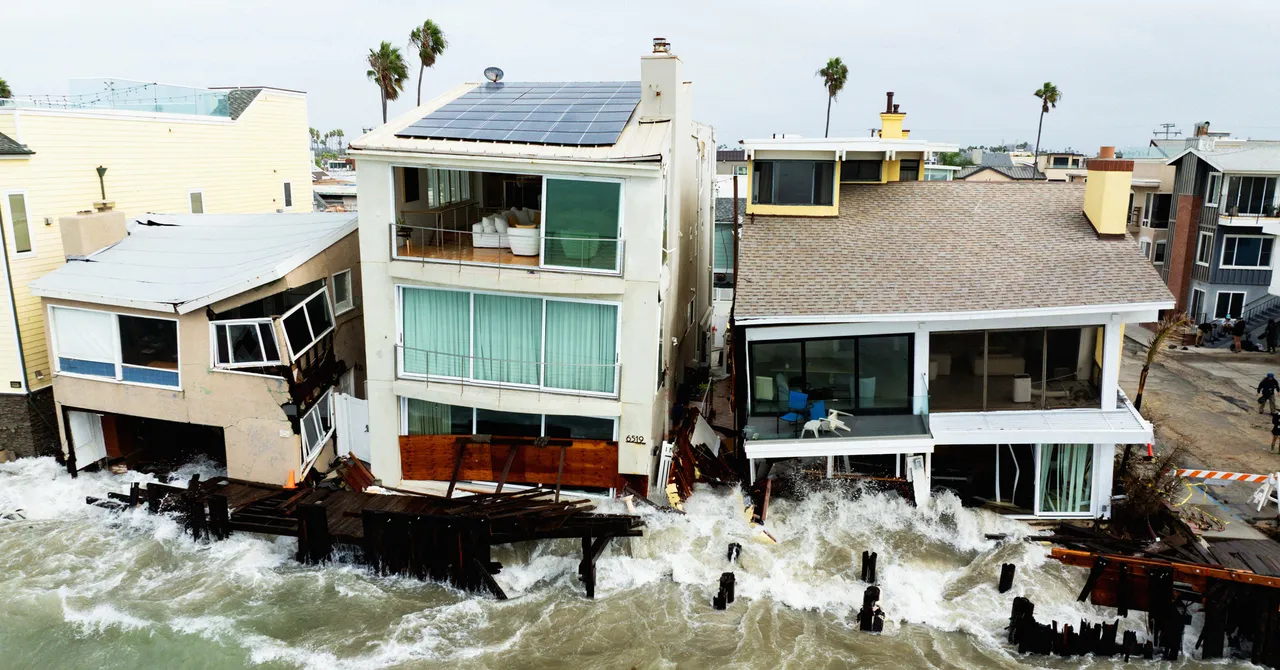

The local weather simply obtained its annual checkup, and the outcomes aren’t wanting so sizzling.
“If Earth have been a affected person coming in for an annual bodily, I might say its situation is critical and getting worse,” Oregon State College researcher Invoice Ripple says.
Ripple is the lead writer of a new paper chronicling the state of the climate, printed on Wednesday in BioScience. The findings present that seven of the 16 planetary important indicators tracked by the researchers have by no means been in a extra excessive state.
That features the quantity of carbon dioxide within the ambiance, which is 50 % increased than preindustrial ranges as a consequence of burning fossil fuels, in addition to signs of burning all that oil, coal, and gasoline. Greenland and Antarctic ice sheets have shrunk to report lows, whereas ocean warmth has soared to report highs.
Local weather change has already quickened the tempo of warming from about 0.05 levels Celsius per decade from 1880 by means of 1970 to 0.36 levels Celsius per decade since 2010, in line with the evaluation. Whereas the worldwide common temperature, together with land, isn’t at a report excessive, which will change by the tip of the yr as El Niño strengthens. The pure local weather sample is characterised by a hotter-than-normal Pacific Ocean, but it surely additionally boosts world warmth ranges by pouring extra power into the ambiance. This yr’s El Niño is shaping up to be one for the report books.
“A powerful El Niño might briefly push world temperatures even increased, whereas bringing further warmth and drought to weak areas,” says Ripple. He provides that “El Niño is a pure phenomenon, but it surely’s now occurring on high of a a lot hotter planet. That makes its impacts doubtlessly extra harmful.”
Of explicit concern are ecosystems similar to coral reefs and tropical forests. The unfold of ocean warmth is more likely to gas a mass coral die-off, referred to as coral bleaching. With every successive wave of bleaching, reefs turn out to be much less resilient. Corals are among the many ecosystems most threatened by local weather change; if the planet warms past 1.5 levels Celsius, a lot of the world’s coral will be unlikely to survive.
Tropical forests additionally face strain from El Niño. That is very true of the Amazon, which tends to see dry climate throughout this local weather sample. The timing couldn’t be extra dire: The area, dubbed “the world’s lungs,” is already beneath intense strain from logging and mining pursuits and the potential return of a right-wing authorities in Brazil that prioritizes extraction and land clearing over conservation.
The brand new report additionally warns that the Amazon is among the many ecosystems susceptible to crossing a tipping point—that’s, reaching a threshold the place it shifts from a tropical rainforest into one thing extra resembling savanna. It’s extremely unlikely that crossing that tipping level is imminent, not to mention one thing that can occur this yr. However this yr’s blast of El Niño–influenced climate will edge it nearer.
“Warming, drought, and deforestation might push the Amazon towards widespread forest degradation,” Ripple says. “My concern is that these modifications might work together, making them more and more tough to cease.”
The report is an avalanche of dangerous information for the local weather, although it does notice that carbon-free types of power are enjoying a much bigger position within the energy grid. The report calls it an indication we’re within the “Age of Electrical energy.” Regardless of that, annual greenhouse gasoline emissions are at report highs. In different phrases, the world remains to be smoking a pack a day, even on the danger of shedding a lung.
“There are some encouraging indicators, particularly the expansion of renewable power, however they are not but sufficient to reverse the general deterioration,” Ripple says. “The local weather emergency is just not one thing ready for us sooner or later. We’re already residing by means of it.”