
A brand new British startup believes that artificial intelligence is the important thing to speedrunning the sluggish and temperamental means of drug design.
Potential Sciences plans to construct large-scale chemical datasets by utilizing fundamental ideas of physics to simulate interactions between atoms, then small molecules, then complex amino acids and proteins. With that knowledge, it’s betting it may prepare AI fashions and prediction methods able to figuring out extremely focused medicine for particular illnesses, bypassing expensive and time-consuming lab experimentation.
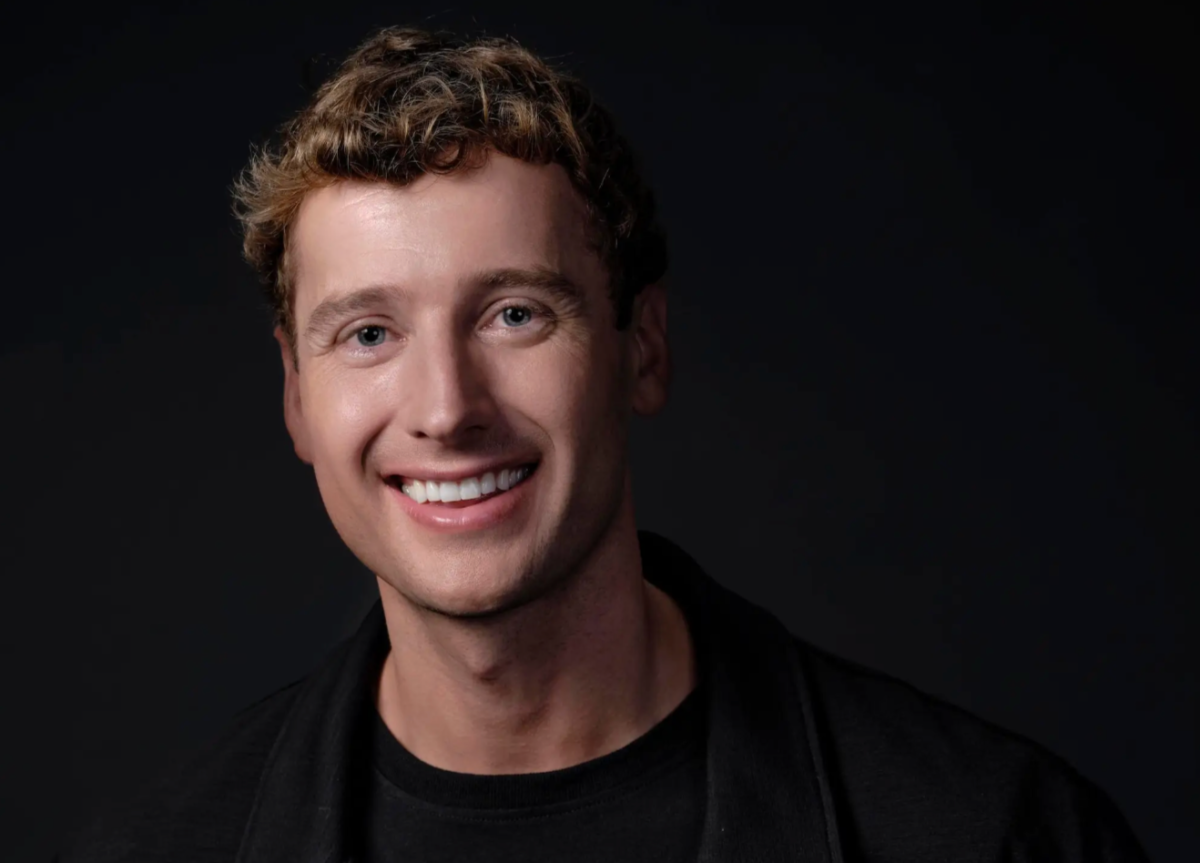
“We would like molecules which are never going to work within the clinic to fail quick,” Hatem Helal, Potential Sciences founder and CEO, tells WIRED. “Which means having higher predictors of how they may behave as they work together with human biology.”
The startup, which launched on November 5, says it has seed funding within the tens of hundreds of thousands of {dollars} from SovAI—the UK authorities’s AI enterprise capital fund—and Twin Path Ventures, amongst different traders. The founders declined to reveal the exact determine or valuation.
If issues pan out as Potential Sciences hopes, it might pave the best way for the accelerated improvement of recent remedies for all kinds of illnesses. By lowering the price of experimentation, Helal says, the corporate’s strategy might additionally make it economical for pharmaceutical corporations to pursue medicine for uncommon situations which have beforehand gone untreated.
“We need to make it doable to have extra bespoke treatments for illnesses—this concept that medicines could be one-off molecular combos which are tailor-made to your distinctive human biology,” he says.
The query is whether or not Potential Sciences will have the ability to predict how effectively drug candidates will bind to disease-related proteins as precisely because it hopes, which might require a marked leap ahead.
“I’m positive will probably be an enchancment,” says Peter Wolynes, a professor of chemistry at Rice College. However presently, “the engineering is on the stage of the Romans, not of the Renaissance, when it comes to how protein engineering is finished,” he says.
Trade luminaries like Demis Hassabis, who gained the Nobel Prize for Chemistry for his work at Google DeepMind, have long said that advances in AI will ultimately result in momentous scientific breakthroughs, in the identical approach the know-how has just lately carved up mathematics. The hope amongst startups like Potential Sciences is that drug discovery might be one of many first scientific frontiers to be remodeled by the know-how.


