

Scientists have lengthy recognized make cells youthful—at the least within the sense that grownup cells may be transformed into pluripotent stem cells similar to these present in embryos. Whereas this functionality has been foundational for organic analysis, these strategies aren’t viable for anti-aging technologies, for just a few causes.
“You do not need to have a pluripotent cell in your physique, as a result of it could possibly grow to be all varieties of cells,” says Oliver Brüstle, a professor who research stem cells at Germany’s Bonn College.
Moreover, the few key genes concerned within the stem cell conversion course of can drive the formation of cancer if left energetic. That’s why Brüstle and his group have regarded for different methods of de-aging cells with out going by way of a pluripotent state. Of their current examine printed in Aging Cell, the researchers began with blood cells from folks of assorted ages, together with an toddler and a 101-year-old donor.
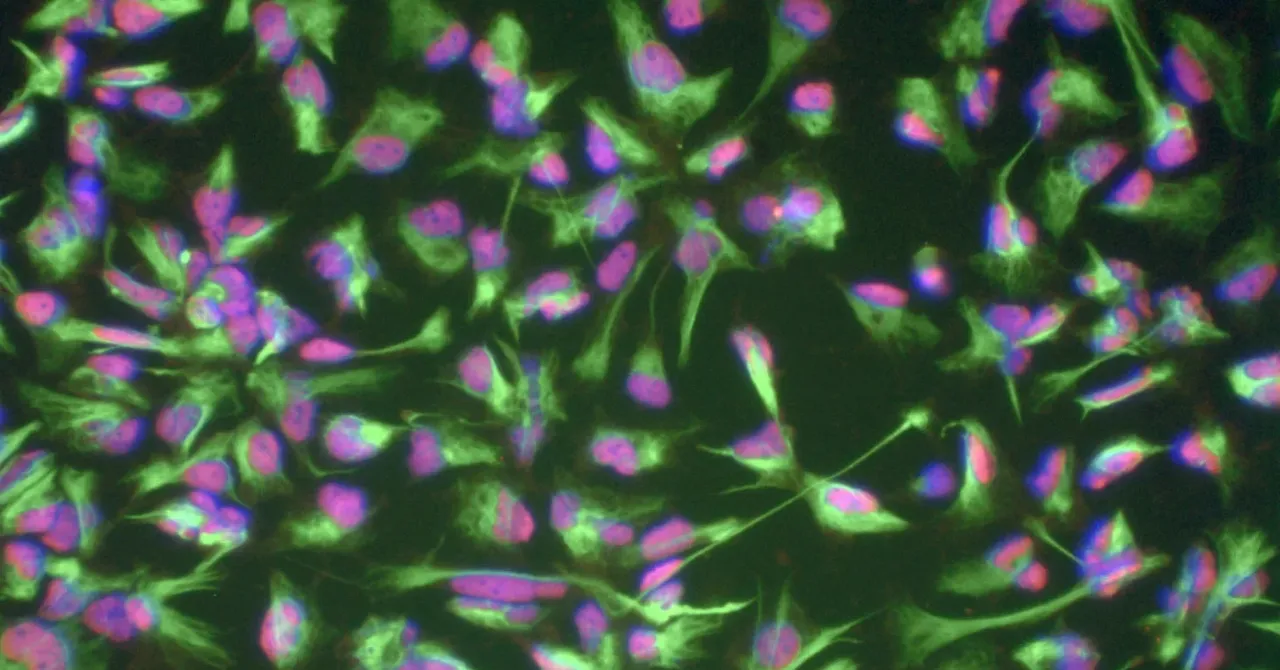
They guided these cells right into a youthful state however not all the way in which towards turning into embryonic-like stem cells. And as this transformation progressed, the chemical indicators within the DNA that assist estimate a cell’s age additionally modified. In lower than two months of reprogramming, one biomarker particularly was set again so far as 60 years.
Growing older continued to reverse even when the scientists drastically lowered the cells’ skill to multiply. Due to this fact, the obvious rejuvenation can’t be defined solely by the truth that the cells have been dividing and producing new cells again and again. Nonetheless, the mechanism that did erase these indicators of growing older continues to be unclear.
“The hope is that you simply really can do that systemically within the entire animal,” Brüstle says. “But when you concentrate on making use of it in a affected person, then you definitely need to ensure this isn’t a lab experiment, so it is about discovering the mechanism.”
The researchers additionally shifted the blood cells particularly right into a sort of cell that produces neurons. One caveat is that blood cells and neurons age on totally different timelines, so the extent of the reversal may very well be exaggerated by means of a special measuring stick. The authors acknowledge this limitation of their paper, although this discrepancy couldn’t account for all of the age-associated biomarkers that reversed course.
Blood cells getting brainy additionally wouldn’t be a fascinating outcome in the event you gave a patient a de-aging drug, however it could be helpful for different regenerative drugs functions. Nonetheless, what Brüstle sees as one of the crucial thrilling outcomes of the examine is the data gleaned in regards to the technique of de-aging.
Often, making stem cells is fast. That’s helpful for a lot of experiments, but it surely doesn’t give researchers the possibility to check cells as they shed the markers of age. On this current examine, because the scientists have been in a position to slowly flip again the cells’ organic clocks, they might monitor every step of de-aging. “Now we will really attempt to dissect the method way more simply than having an instantaneous occasion,” Brüstle says.
Scientists started changing grownup cells again into stem cells twenty years in the past, however we’ve recognized little or no about how the next de-aging happens. This implies when scientific researchers take a look at potential medical interventions for age-related situations, they haven’t all the time had a dependable measure to check in opposition to.
“Now we now have a mannequin” Brüstle says. “You may work alongside this, and now you possibly can probe a zillion issues. What impacts the method? It will lead you to the mechanisms. That’s our hope.”
Further reporting from Anna Rogers.