
This story initially appeared on The Guardian and is a part of the Climate Desk collaboration.
The local weather disaster is coming for a few of the world’s best surf breaks, submerging some as sea level rises and wiping out others as basic breaks get crushed in opposition to coastal developments.
Evaluation of dozens of well-known waves in World Surfing Reserves (WSR) discovered that greater than three-quarters have been at excessive danger due to altering tide ranges, hardened shorelines, and shifting sands.
The impacts matter not solely to the surfers catching the waves but additionally to the communities that rely upon the multibillion-dollar surf financial system, typically situated in locations with little else.
The waves rated at most danger within the examine embody the “bombing barrels” of Croyde Seashore in North Devon, UK; the purpose breaks at Noosa in Australia and Oriente Salvaje, El Salvador; and Santa Cruz reefs of California corresponding to Sewer Peak and Wind and Sea.
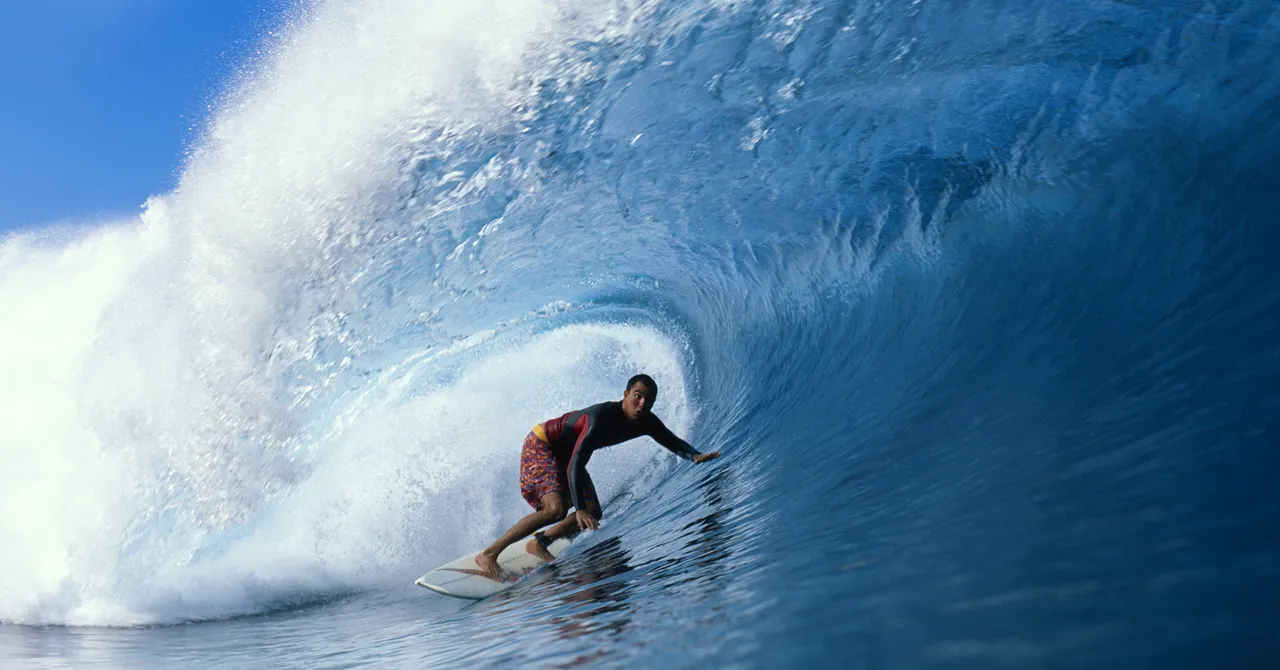
The best surfing waves are created by intricate mixtures of seafloor form, swell path, and tide. “Surf breaks are extremely distinctive oceanographic phenomena—a confluence of all these components that match collectively excellent to make the wave occur—and so these processes are actually delicate,” stated Dan Reineman, an affiliate professor at California State College Channel Islands and a coauthor of the examine.
World heating is pushing up sea stage and changing rainfall patterns that have an effect on sediment motion, which may upset the fragile stability and destroy the wave. Nevertheless, the researchers stated the expert local knowledge of surfers may very well be tapped to assist defend the waves.
Trent Hodges, a coauthor of the examine and a senior applications supervisor at Save the Waves Coalition, which launched the WSR program in 2009, stated: “Local weather change will affect surf breaks everywhere in the world in several methods, relying on their unique geographies. We discovered immediately from the native surfers how they’re seeing their waves change. It’s a canary within the coal mine too—when a wave adjustments, that always means the seashore is altering, and everyone enjoys the seashore.”
The examine, published in the journal Climatic Change, concludes: “Local weather change and coastal administration each have vital detrimental implications for the long run viability of a number of surf breaks of world significance and, due to this fact, the myriad distinct native communities, cultures and economies they support.”
Virtually 200 native consultants analyzed 57 surf breaks in all however two of the 13 WSRs, unfold throughout eight international locations. The researchers stated hundreds of different surf waves all over the world confronted comparable peril.
A key discovering was that the place coastlines have been extra pure, they may adapt higher to the adjustments introduced by the local weather disaster, by shifting inland and relocating sediments. Improvement corresponding to sea walls, jetties, and groynes made the seashores and waves much less resilient, Reineman stated.
Adam Corridor, a cofounder of the North Devon WSR, was one of many native surfers who contributed to the examine. He stated: “North Devon is so particular. We now have Saunton Sands, a world-renowned longboarding wave with actually lengthy, mellow rides, and the UK’s finest seashore break at Croyde. We’ve bought left- and right-hand level breaks and a sheltered spot for when it will get too windy and too large. No matter you wish to do, we’ve bought it.”
He stated browsing was essential for the native financial system, and never simply in summer season. “Surfers will come all year long. They replenish the pubs, eating places, and automobile parks when the swells are good in January, February, and March, the place for those who go to every other tourist destination that doesn’t have surf, they’re lifeless on their knees.”