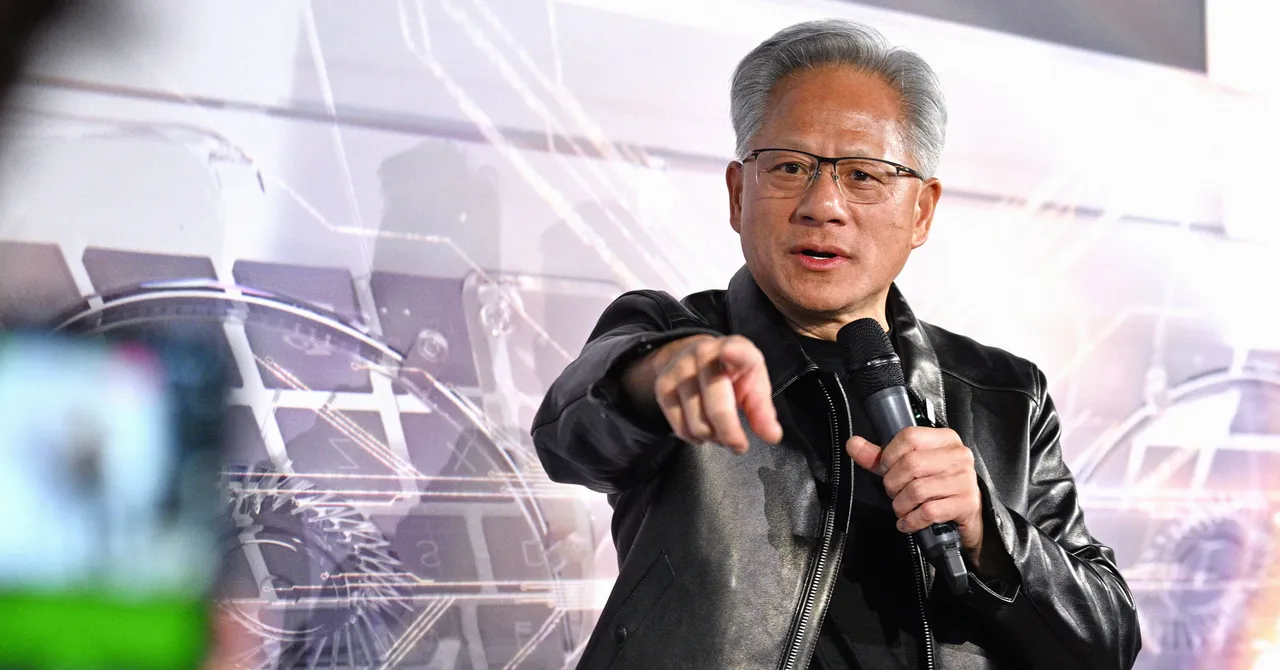

A number of present and former employees say that Huang’s administration type might come off as overly harsh at occasions, together with, for instance, towards longtime colleagues he seen as having grown complacent as Nvidia’s market worth surged. Two former staff say that he repeatedly raised his voice at employees, generally in methods they discovered belittling.
Different staff had been extra involved about whether or not Nvidia’s board would maintain Huang accountable for allegedly deceptive the administrators about his affairs. “That’s one thing we are able to’t have,” one worker says.
One other supply of frustration for Nvidia employees has been the rising affect of Huang’s two youngsters and son-in-law, who all maintain senior titles on the chipmaker. In March, his daughter, Madison Huang scolded a colleague on a name with about 100 different staff, in response to a participant who didn’t imagine the anger was warranted. “I’m disenchanted you requested that, are you fucking silly?” the worker remembers Madison saying in response to a query about workshops on OpenClaw technology scheduled for an upcoming Nvidia convention. “Your mother can construct a claw.”
Madison and her brother, Spencer Huang, didn’t instantly reply to requests for remark.
Praveen Mhapsekar, a senior system software program engineer who was let go final week after disputes together with his managers and HR, says he and colleagues stopped feeling comfy complaining about practices that involved them due to the difficulty they imagine it introduced on themselves.
“This group requires larger self-discipline and structured processes,” he says. One of many world’s most beneficial corporations “can’t be managed like a personal startup working out of a storage, the place private affect takes priority over established procedures.”
Huang’s return doesn’t eradicate the prospect of Nvidia evolving to quell frustrations. However with inner points extra public than ever earlier than, possibly the times of 1 huge household all cheering alongside collectively are largely gone.
Further reporting by Lauren Goode and Hugo Lowell.